
Modern businesses are under constant pressure to move faster without sacrificing reliability or scalability. Development backlogs continue to grow while customer expectations demand seamless digital experiences. Traditional development approaches often struggle to keep pace, creating a gap between what the business needs and what IT can deliver.
Low-code platforms have emerged as a practical solution to this challenge, giving organizations a way to accelerate application development while maintaining governance and flexibility. For companies looking to modernize operations, improve integrations, and empower teams, low-code is no longer a niche tool. It is becoming a core part of the enterprise technology stack.
Why Low-Code Is Gaining Momentum
The appeal of low-code platforms is straightforward. They reduce the need for extensive hand coding by offering visual development tools, reusable components, and prebuilt integrations. This allows both developers and technically inclined business users to collaborate more effectively.
Key drivers behind adoption include:
- Faster time to market
Applications that once took months can now be deployed in weeks or even days. - Reduced dependency on specialized developers
Teams can offload simpler builds and workflows, freeing up engineering resources for complex tasks. - Improved business agility
Organizations can quickly adapt to changing requirements without restarting development cycles. - Stronger alignment between IT and business teams
Visual tools make it easier for stakeholders to participate in the development process.
The Role of Integration in Low-Code Success
One of the biggest misconceptions about low-code platforms is that they are only useful for standalone apps. In reality, their true value emerges when they are tightly integrated with existing systems.
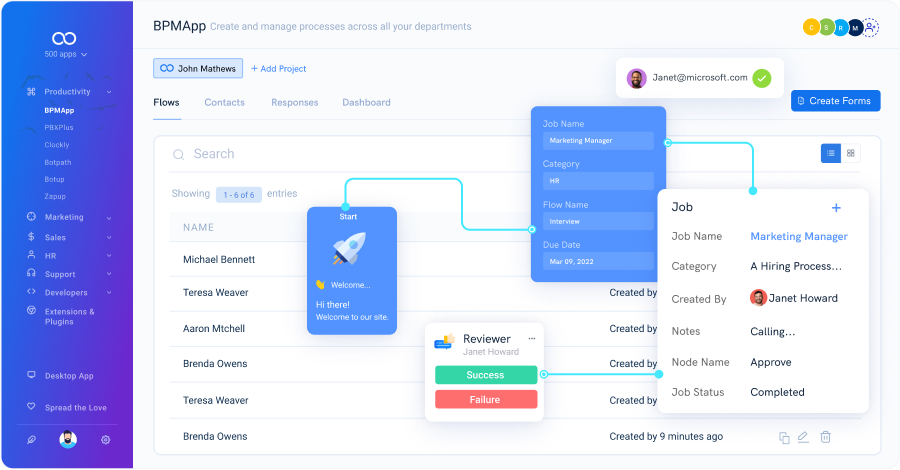
Enterprises rely on a mix of legacy systems, cloud applications, and third-party tools. Without proper integration, even the most well-designed application becomes another silo.
Low-code platforms that prioritize integration allow businesses to:
- Connect data across systems in real time
- Automate workflows that span multiple applications
- Maintain a single source of truth across departments
- Reduce manual data entry and associated errors
This is where platforms like Jitterbit stand out, combining application development with robust integration capabilities.
Use Cases That Deliver Immediate ROI
Low-code is not just about building apps faster. It is about solving real operational challenges. Some of the most impactful use cases include:
1. Workflow Automation
Manual processes slow down productivity and introduce risk. Low-code platforms make it easy to digitize and automate approvals, onboarding, and internal processes.
2. Customer Experience Applications
From self-service portals to mobile apps, businesses can quickly deploy tools that improve customer engagement without long development cycles.
3. Data Consolidation Tools
Organizations often struggle with fragmented data. Low-code apps can unify reporting and provide better visibility across teams.
4. Legacy System Extensions
Instead of replacing older systems entirely, businesses can extend their functionality with modern interfaces and integrations.
Governance Without Sacrificing Speed
One concern that often comes up with low-code adoption is governance. Faster development should not come at the cost of security or compliance.
Enterprise-ready platforms address this by offering:
- Role-based access controls
- Audit trails and versioning
- Centralized management of applications and integrations
- Scalable architecture to support growth
This balance ensures that organizations can move quickly while still maintaining oversight and control.
Choosing the Right Platform
Not all low-code solutions are built the same. When evaluating options, businesses should look beyond surface-level features and consider long-term scalability.
Important factors include:
- Depth of integration capabilities
- Ease of use for both developers and business users
- Flexibility to handle complex workflows
- Security and compliance standards
- Vendor support and ecosystem
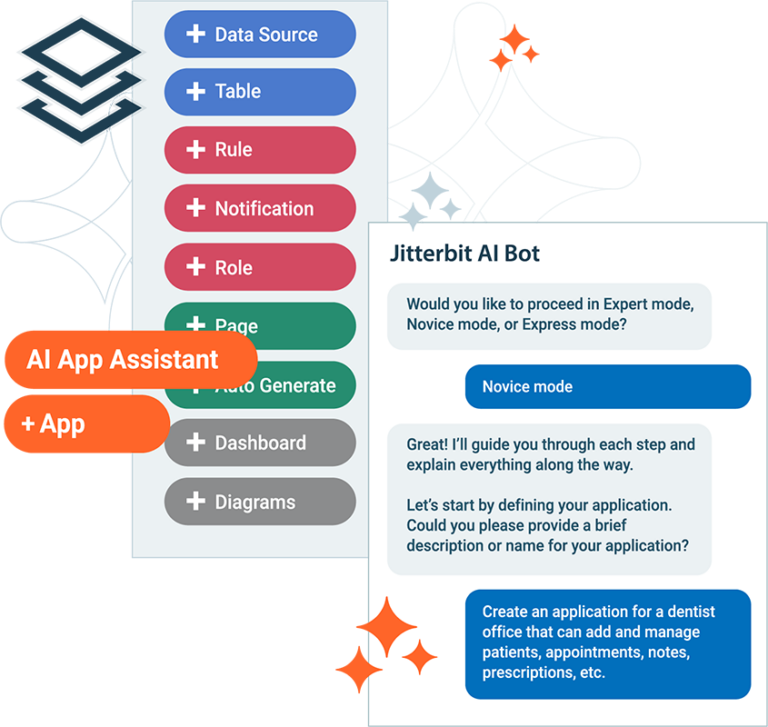
For organizations seeking a unified approach to application development and integration, a solution like a low code app builder can provide the foundation needed to streamline operations and accelerate innovation.
The Future of Enterprise Development
Low-code is not replacing traditional development. It is reshaping how development happens. By combining speed with structure, it enables organizations to innovate without overextending their technical teams.
Companies that embrace this shift are better positioned to:
- Respond quickly to market changes
- Deliver consistent digital experiences
- Scale operations efficiently
- Empower teams across the organization
The real advantage is not just faster apps. It is a more adaptable, resilient business model built on technology that keeps up with demand.
Low-code platforms are no longer optional for forward-thinking enterprises. They are a strategic tool for staying competitive in an increasingly digital world.