
Singapore Is Hosting One of Asia’s Most Critical Cybersecurity Gatherings This September. Here Is What to Expect.
Everything is digital nowadays. Most of the things we do, we do online, from managing bank accounts and signing contracts to shopping for groceries and booking travel without ever speaking to a human being.
Just take the example of e-commerce and how we buy things today: entire purchase decisions, payment flows, and delivery logistics happen within a few taps on a screen, with no physical interaction required at any stage.
Even when we look at entertainment trends, such as the online casino sector, we see that technological advancements in game design were the most important drivers of change, reshaping how millions of people engage in leisure and spend their time online.
But with all of this comes a pressing need to ensure our safety in these digital spaces, which is exactly why cybersecurity conferences have become a crucial step on this journey. This September, Singapore will host one of Asia's most significant gatherings focused on precisely that, and businesses across the region should be paying close attention.
What Is Cyber Security World Asia and Why It Matters
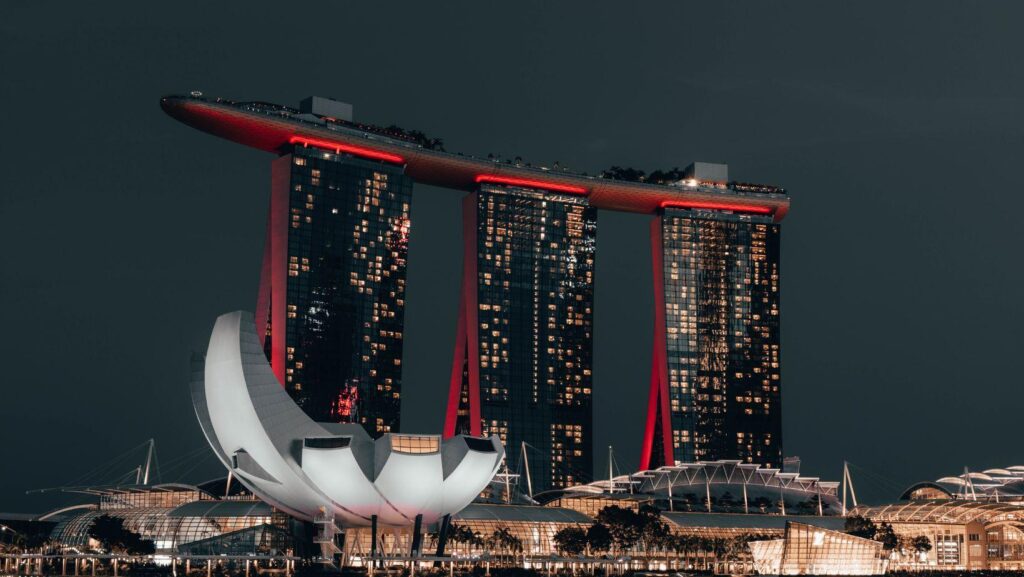
Cyber Security World Asia 2026 is scheduled for 29-30 September at Marina Bay Sands in Singapore. The event brings together chief information security officers, IT directors, regulators, solution providers, and frontline security practitioners under one roof to address the most urgent challenges facing digital infrastructure today.
The timing is deliberate. Asia has become one of the most targeted regions for cybercrime globally. Rapid digital adoption, expanding cloud infrastructure, and an increasingly interconnected business environment have created a large and growing attack surface.
Governments, enterprises, and service providers across the region are under real pressure to modernize their defenses, and events like this one provide a structured space to do exactly that: share intelligence, evaluate solutions, and align on best practices.
For business owners specifically, the value is direct. The decisions made in rooms like those at Marina Bay Sands shape regulatory frameworks, vendor roadmaps, and industry standards that will affect how companies operate. Being absent from these conversations is a strategic disadvantage.
Key Topics on the Agenda
The conference agenda covers a wide range of subjects that reflect where the industry is heading. Artificial intelligence sits at the center of several discussions, both as a tool for defense and as a vector for attack. AI-powered threat detection has moved from experimental to operational across major enterprises, and this year's conversation will focus on how organizations can deploy these systems responsibly and at scale.
Zero-trust architecture is another focal point. The traditional model of securing a network perimeter has been rendered inadequate by remote work, cloud migration, and dependencies on third-party access. Zero trust, which operates on the principle that no user or device should be automatically trusted, regardless of location, has emerged as the dominant framework for modern security design. Speakers and exhibitors at the event will address how to implement this practically, not just conceptually.
Cloud security, identity protection, and cyber resilience round out the core themes. For businesses operating across multiple platforms and jurisdictions, these are not abstract concerns. A single breach in a cloud environment can simultaneously expose customer data, halt operations, and trigger regulatory consequences. The sessions dedicated to these topics will offer actionable frameworks rather than theoretical discussion.
Part of a Larger Technology Ecosystem
Cyber Security World Asia does not operate in isolation. It is one of five events running under the Tech Week Singapore banner, organized by CloserStill Media. The other events in the series include Cloud and AI Infrastructure, Big Data and AI World Asia, DevOps Live Asia, and Data Centre World Asia.
This structure makes the gathering uniquely valuable for business decision-makers who need to understand how cybersecurity intersects with adjacent technology investments. A company evaluating a shift to hybrid cloud infrastructure, for example, cannot assess that decision in isolation from its security implications. Having all of these conversations in the same venue and at the same time removes the fragmentation that typically makes technology planning difficult.
For startups, scale-ups, and enterprise IT teams alike, the networking dimension alone justifies attendance. The connections formed at events like this, between vendors and buyers, between security teams and regulators, between regional practitioners and global experts, have long-term value that extends well beyond the two days on the calendar.
Why Business Owners Cannot Afford to Ignore This
Cybersecurity used to be treated as an IT department responsibility. That framing no longer holds. A ransomware attack, a data breach, or a compliance failure is now a business-level crisis, one that affects revenue, reputation, customer trust, and in some cases, legal liability at the executive level. The shift in how boards and investors assess cyber risk has been significant, and it continues to accelerate.
Events like Cyber Security World Asia exist precisely because the threat landscape moves faster than most organizations can track on their own.
Sending a representative from your security or operations team provides your business with an intelligence advantage: early visibility into emerging threat categories, new regulatory expectations, and the technology responses being developed to address them. For sectors handling sensitive customer data, financial transactions, or critical operational systems, this kind of intelligence is not optional.
Singapore's position as a regional business hub makes it the natural location for this kind of gathering. The city-state has invested heavily in becoming a center for cybersecurity governance and innovation in Asia, and the concentration of regional decision-makers it can draw to a single event is unmatched. Organizations that attend leave with a clearer picture of where the industry is headed and what they need to do to stay ahead.
The September dates are approaching quickly. For any business with a meaningful digital footprint in Asia, or any ambition to build one, this is an event worth putting on the calendar now.